
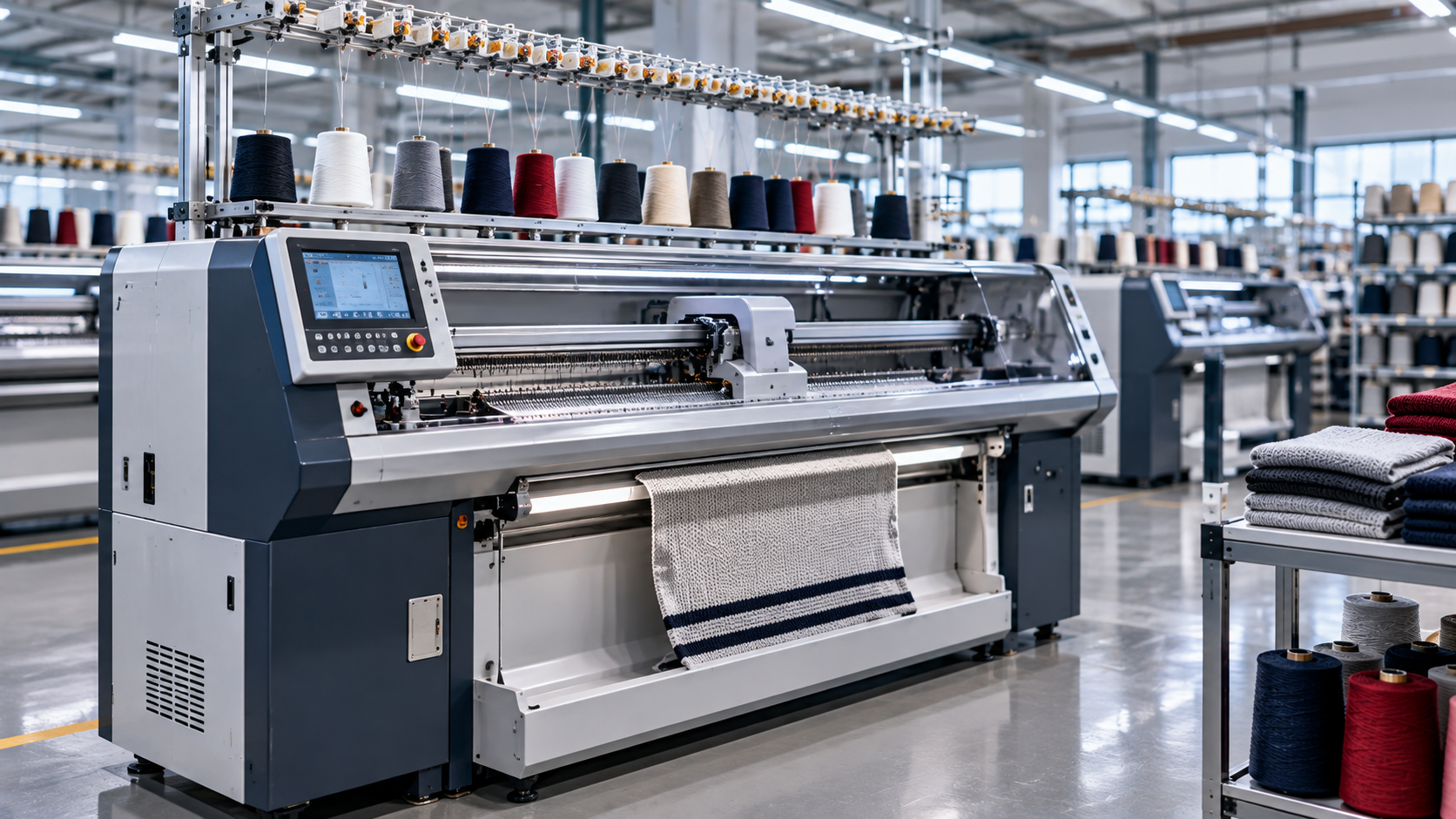
Computerized Knitting Machine for Modern Textile Production
Modern textile production depends on consistent fabric quality, accurate pattern formation, smooth material handling, and reliable machine operation. A Computerized Knitting Machine gives manufacturers better control over knitting settings and pattern execution, while reducing repetitive manual adjustments and helping maintain consistency across production runs.
For hosiery and knitted garment manufacturers, selecting suitable machinery can affect production speed, fabric quality, design flexibility, and day-to-day efficiency. SL Hosiery provides practical knitting machinery solutions and helps businesses choose equipment according to their fabric type, production volume, design requirements, and overall manufacturing needs.
SL Hosiery for Reliable Computerized Knitting Machine Solutions
SL Hosiery provides knitting machinery solutions for manufacturers looking for dependable equipment suited to their production needs. As a Computerized Knitting Machine Manufacturer, the company focuses on machine performance, production requirements, fabric quality, and practical operation when helping businesses select suitable machinery.
With product knowledge and an understanding of knitting processes, SL Hosiery works to provide machinery that supports consistent output and efficient production. The focus remains on offering reliable equipment, useful guidance, and support that can add long-term value to knitting and garment manufacturing operations.
Why Advanced Knitting Technology Matters in Hosiery Manufacturing
Hosiery manufacturing depends on consistent fabric quality, accurate patterns, repeatable dimensions, and smooth production across larger volumes. A Computerized Knitting Machine helps manufacturers control important knitting parameters and repeat programmed settings, supporting better consistency and reducing variations during production .
For businesses supplying machinery to different markets, dependable equipment and consistent performance are equally important. A Computerized Knitting Machine Exporter can help manufacturers access suitable knitting solutions for different production requirements, fabric applications, and operating conditions .
Key Features to Evaluate in a Computerized Knitting Machine
Before investing in knitting machinery, manufacturers should consider features that influence daily production, such as programmable controls, pattern management, stable operation, and ease of use. A Computerized Power Flat Knitting Machine can offer greater control over programmed settings while supporting consistent pattern production and reducing repetitive manual adjustments.
Production efficiency also depends on reliable machine performance and convenient operation. Manufacturers should evaluate control systems, pattern flexibility, output consistency, operator requirements, and overall suitability to ensure the selected machinery matches their production volume and fabric requirements.
Why Modern Knitting Machinery Is Valuable for Manufacturers
A Computerized Flat Bed Knitting Machine can help manufacturers achieve better repeatability, flexible production, and smoother control over knitting operations. Programmable settings reduce repetitive manual adjustments and make it easier to reproduce patterns and production specifications across multiple orders. This can also help improve machine utilization and maintain a more organized production workflow.
A Computerized Knitting Machine can provide manufacturers with greater control over knitting parameters, pattern settings, and production processes. When properly selected, configured, and maintained, the machinery can support consistent fabric quality, reduce production variations, and improve operational efficiency while allowing manufacturers to handle different knitting requirements more effectively.
Pros and Cons of Using a Computerized Knitting Machine
Advantages
A Semi Computerized Flat Knitting Machine can give manufacturers better control over knitting operations while reducing some repetitive manual work. Programmable settings can improve production repeatability, make pattern handling easier, and help maintain consistent operating parameters across different production runs. These features can support smoother workflows, better production control, and more efficient use of machine time when the equipment is properly configured for the required application.
Considerations
Before investing in knitting machinery, manufacturers should also consider the overall operating requirements. Semi-computerized equipment may require operator training, regular maintenance, and suitable technical support for electronic or mechanical issues. The initial cost, production volume, fabric requirements, available operator skills, and long-term maintenance needs should all be evaluated to ensure the selected machine is suitable for the manufacturer's actual production environment.
Why Manufacturers Choose SL Hosiery for Reliable Machinery Solutions
SL Hosiery understands that knitting machinery plays an important role in maintaining smooth and consistent textile production. Since a Computerized Knitting Machine is a significant long-term investment, manufacturers need to consider more than the initial purchase. Factors such as machine performance, production capacity, pattern requirements, operating convenience, and fabric consistency can all influence the overall value of the equipment.
SL Hosiery focuses on helping manufacturers identify machinery that fits their actual production environment and day-to-day requirements. The emphasis is on practical performance, ease of operation, reliable production, and long-term usability. By considering factors such as production volume, fabric type, design requirements, and operator needs, SL Hosiery aims to provide knitting machinery solutions that support efficient and consistent manufacturing.
Conclusion on Choosing the Right Computerized Knitting Machine
A Computerized Knitting Machine can give textile and hosiery manufacturers better control over knitting parameters, pattern execution, production repeatability, and day-to-day efficiency. However, getting the expected results depends on choosing equipment that matches the fabric type, production volume, design requirements, and operating conditions. Proper operator training, regular maintenance, and timely technical support are also important for maintaining reliable machine performance over the long term.
Manufacturers may consider options such as a Computerized Flat Bed Knitting Machine, Computerized Power Flat Knitting Machine, or Semi Computerized Flat Knitting Machine depending on their specific production needs. Instead of focusing only on machine features or initial cost, businesses should evaluate ease of operation, pattern flexibility, output requirements, maintenance needs, and overall suitability. A well-matched machine can become a valuable part of a more consistent and efficient knitting production setup.